

While some people experience an uptick in social engagements around the holidays, others may feel especially isolated. You may find yourself missing loved ones you have lost or who live far away. And when you take initiative over the planning, it’s easier to ensure the evening is both fun and alcohol-free.
Prioritizing Self-Care Practices During the Holiday Season

A Dry Drunk is someone who has removed the bottle but kept the behaviour, the resentment, the selfishness, and the chaotic thinking. Feel free to share this guide with others in your community—it might be what they need to get through the season. You’ve already chosen sobriety, but it can be easy to get caught up in a moment and lose touch with why. Think about why you made the decision to be sober—writing it down is also useful—to help you through moments of doubt or temptation. sober holidays Mindfulness has become a widely used coping mechanism and is a great recovery skill in general.
- At Meridian HealthCare, we know that addiction recovery involves more than willpower; it’s about treating the whole person.
- Our helpline is available 24 hours a day, 7 days a week at no cost to you and with no obligation for you to enter into treatment.
- Any thoughts of weakness should trigger you to call your sponsor.
How to Stay Sober & Prevent Relapse During the Holidays
There are countless opportunities to serve your community during the holidays. Homeless shelters, recovery programs, community toy drives – volunteer to help others this season and stay out of your head. Participate in charitable giving or adopt someone who could use some holiday hope and cheer. Use the opportunity to engage deeper into your AA or what is alcoholism recovery support group. Do something that is good for humanity and your recovery this season to avoid relapse. For people living in recovery from drug and alcohol addiction, staying sober during the holidays can sometimes feel challenging.
Quest for Emotional Sobriety
- Use “I” statements like “I feel uncomfortable when…” or “I’d prefer…” to clearly communicate needs without unnecessary drama.
- Many people have walked through holiday pressure and stayed sober.
- Motivational interviewing (MI) is central to Cenikor’s person-centered, empowerment-based approach.
- Recognizing them is the first step toward successful planning.
You’re mourning a familiar coping mechanism, social rituals, and perhaps an identity tied to alcohol. This grief reflects the emotional significance drinking once held in your life. Acknowledge these feelings without judgment, they don’t mean you’re failing in recovery. Many people experience this sadness, especially during holidays. Allow yourself to process this loss while remembering why you chose sobriety.
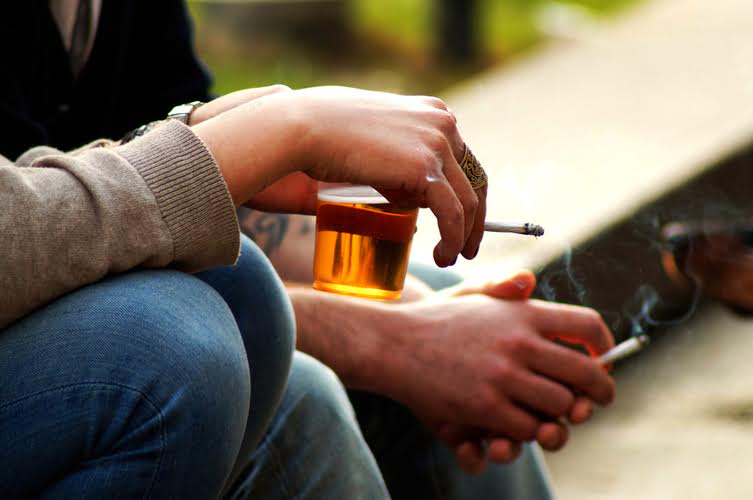
Every step you take, especially the hard ones, shows strength. Take care of your mind and your body, both are carrying you through this. You could even explore something expressive, like experiential therapy, to help you process your emotions in creative ways. Replacing old patterns with meaningful moments gives your brain something new to celebrate. It’s also okay to suggest alternatives to make a gathering a more controllable environment. For example, you might suggest meeting in a different setting or hosting your own substance-free party.

AA pretty much saved my life” — that and a lot of discipline, focus and purpose. Don’t expect your family to instantly offer you the support you need. When the holidays get busy, it’s tempting to skip meetings, counseling appointments, and outreach calls. Stay connected to recovery, even if it’s less than normal. Luckily, Into Action has options for dealing with your family holiday without sacrificing your sobriety or sanity. If you’re in recovery, the holidays can pose serious challenges to your sobriety and sanity.
Remind yourself that you are deserving of this connection — deserving of kindness, love, and happiness. Take the time to connect with a mentor or recovery coach. Or you can connect with a trusted friend or family member who has supported you throughout your recovery journey. Thanksgiving is known for being a holiday that features a lot of food, as well as drinking https://www.cidro.es/a-goodbye-letter-to-my-addiction-2 for those who don’t abstain from alcohol. It is also a fun night for many adults, who may celebrate by throwing a party that involves drinking alcohol or using drugs. Feelings of loneliness can be triggering for people in recovery, even if they have a solid social support system.
The season may be filled with challenges, but it also holds opportunities for connection, renewal, and growth. Cenikor’s residential and outpatient programs remain open through Thanksgiving and the winter holidays. Whether you need structure, connection, counseling, detox, or long-term treatment, help is available and accessible. Even one supportive connection can significantly reduce risk. A single message like, “I’m feeling triggered, can we talk for a moment? Building new traditions can create joyful, substance-free memories that reinforce your recovery.
Develop a Comprehensive Sobriety Plan
The holidays can sometimes be idealized, which can lead to disappointment and increased stress. Set realistic expectations for yourself and others during this time. Sometimes, even well-meaning family won’t understand your boundaries. If you or a loved one is struggling with addiction, Quest 2 Recovery is here to guide you on the path to recovery. To keep growing on your journey, experiential therapies can help you explore new ways to connect, heal, and thrive. “People will judge me if I don’t drink.”Most people won’t even notice.